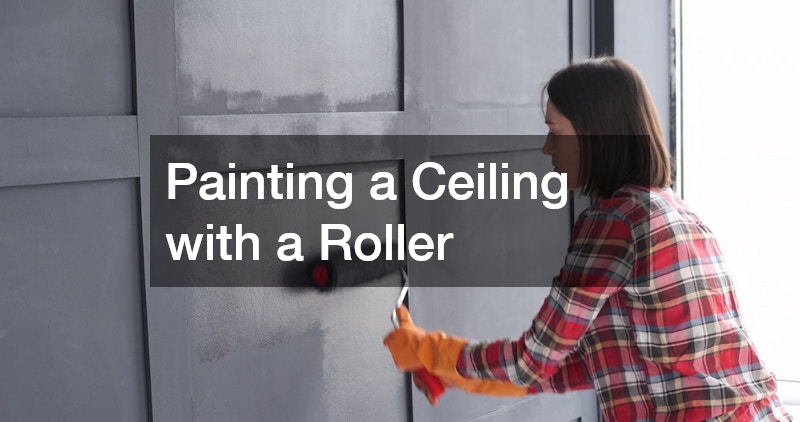
- Proper preparation prevents drips, splatters, and uneven finishes.
- Use the right roller, extension pole, and primer for the best results.
- Cutting in edges first ensures neat lines around corners and fixtures.
- Work in sections and maintain a wet edge to avoid streaks.
- Allow sufficient drying time between coats for a flawless finish.
- Safety measures—ladders, masks, and drop cloths—protect both you and your home.
Introduction
Painting a ceiling might seem like a simple DIY task, but without the right techniques, it can quickly become messy, frustrating, and even physically exhausting. Whether you’re refreshing a lounge room, bedroom, or kitchen, using a roller is widely recognised as the most efficient method for covering large ceiling surfaces evenly. Not only does it save significant time compared to brushes, but it also reduces streaks and brush marks, producing a smooth, professional-looking finish that can dramatically transform a room.
In Australia, the DIY home improvement trend has grown steadily over the past decade. According to the Housing Industry Association (HIA), over 40% of homeowners have undertaken at least one painting project themselves in the past five years, with ceiling painting being one of the most common tasks for first-time DIYers. Additionally, research by Roy Morgan shows that Australian homeowners spend an average of $1,200–$1,500 per DIY painting project, highlighting both the popularity and financial incentive of tackling these tasks personally.
However, ceilings present unique challenges that many DIY enthusiasts underestimate. Working overhead can cause fatigue and strain, awkward angles make even coverage difficult, and drips or splatters can ruin freshly painted walls and floors. Without careful preparation, the result may be uneven coverage, visible roller marks, or paint drips—problems that are frustrating and time-consuming to fix.
To achieve a flawless finish, it’s essential to understand and master the step-by-step process. This guide will walk you through everything from preparing your ceiling, choosing the right paint and roller, and cutting in edges, to rolling techniques, drying times, and finishing touches. You’ll also learn tips for avoiding common mistakes and ensuring a long-lasting, high-quality result.
We’ll cover:
- Tools and materials you need for a smooth and efficient ceiling paint job, including recommended rollers, extension poles, and primers suitable for Australian conditions.
- Preparation techniques, such as protecting furniture and floors, patching minor imperfections, and priming surfaces.
- Cutting in and rolling strategies to achieve professional-looking lines and even coverage.
- Troubleshooting and common mistakes to avoid drips, streaks, and uneven finishes.
- Finishing tips, including drying times, applying a second coat, and proper cleanup for future projects.
By the end of this comprehensive guide, even first-time painters will feel confident taking on ceiling painting projects in their home. For further reading on Australian home improvement trends and safety tips, check out HIA DIY Projects and Safe Work Australia – Painting Safety.
Whether you’re a novice DIYer or looking to refine your skills, this guide equips you with everything you need to tackle ceiling painting efficiently, safely, and cost-effectively.
Tools and Materials Needed for a Perfect Ceiling Paint Job

Before you start rolling paint overhead, it’s crucial to gather the right tools and materials. Using appropriate equipment not only speeds up the job but also ensures cleaner lines, fewer mistakes, and a professional finish. Poor-quality tools can lead to streaks, roller marks, or even paint drips that ruin your hard work. Here’s a comprehensive guide to what you’ll need.
Choosing the Right Roller and Roller Cover
Selecting the correct roller and cover is one of the most important steps in ceiling painting. The type of roller determines how evenly the paint spreads and how well it adheres to the surface.
Nap Length:
- For smooth ceilings, opt for a short nap roller (6–10mm). This ensures even coverage and reduces roller marks.
- For textured ceilings like popcorn or stippled finishes, a medium nap (12–18mm) roller reaches into crevices to apply paint uniformly.
Roller Material:
- Microfiber rollers are excellent for smooth surfaces because they hold more paint and leave minimal texture.
- Foam rollers are lightweight and ideal for ceilings with minimal texture, providing a smooth, streak-free finish.
Extension Pole:
An extension pole is essential for high ceilings, reducing strain on your arms and neck. Look for adjustable poles with secure locking mechanisms. For Australian DIYers, lightweight aluminium poles are a popular choice for balance and ease of use.
Paint Selection
The type of paint you choose significantly impacts the final look.
- Ceiling-specific paint in flat or low-sheen finishes is ideal as it hides imperfections and creates a uniform appearance. Avoid semi-gloss or gloss paints for ceilings, as they can highlight flaws.
- Primer may be necessary for new plaster, patched areas, or stained ceilings. Using a quality primer improves paint adhesion and prevents issues like peeling or uneven colour.
Safety Equipment
Safety is critical when working overhead. Essential safety gear includes:
- Ladder or step stool with stabilizers to prevent falls. Always ensure it is positioned on a flat, non-slip surface.
- Dust mask or respirator to protect lungs from paint fumes and dust, especially when sanding or priming.
- Protective eyewear and gloves to shield eyes and skin from splashes.
Prep Materials
Proper preparation ensures a clean, professional finish and protects your home from damage:
- Drop cloths or plastic sheeting to cover floors, furniture, and fixtures.
- Painter’s tape for clean lines along cornices, vents, and lighting fixtures.
- Sponges, sanding blocks, and putty for repairing cracks, holes, or uneven surfaces before painting.
Investing in the right tools and materials upfront will save time and frustration, and help even first-time DIYers achieve a professional-quality ceiling. For more detailed guides on DIY painting techniques, check out HIA Home Improvement Projects and Safe Work Australia – Painting Safety.
Preparing Your Ceiling for Painting
Proper preparation is the foundation of a successful ceiling painting project. Skipping this step often results in uneven coverage, drips, or a finish that doesn’t last. Taking the time to clear, clean, repair, and prime your ceiling ensures a professional-quality result.
Clearing the Room and Protecting Surfaces
Before any painting begins, clear the room as much as possible. Remove furniture entirely if you can, or move it to the centre of the room and cover it with drop cloths or plastic sheeting to prevent paint splatters.
Protect light fixtures, ceiling fans, and vents by wrapping them in plastic bags or covering with painter’s tape. Don’t forget switches, door frames, and window trims, as accidental paint drips are common when rolling ceilings.
For neat, straight lines where the ceiling meets walls, apply painter’s tape along the edges. This step is crucial for achieving a clean, professional finish, especially in rooms with contrasting wall colors.
Cleaning and Repairing the Ceiling
A ceiling that isn’t clean will not hold paint evenly. Start by removing dust, cobwebs, and dirt using a long-handled brush or broom. In Australia, where dust accumulation can be high in older homes or during spring cleaning, this step is particularly important.
Next, inspect your ceiling for holes, cracks, or dents. Fill imperfections with spackling paste or filler, smooth with a putty knife, and sand once dry for a flat surface. This prevents bumps and uneven textures from showing through the paint.
For ceilings with stains from water leaks, smoke, or mold, apply a stain-blocking primer before painting. This step prevents discoloration and ensures the new paint adheres properly.
Priming the Ceiling
Priming is essential, especially when covering patched areas, switching from dark to light colors, or painting over stained ceilings. Use a roller for broad areas and a brush to cut in edges along cornices, walls, and fixtures.
A good-quality primer improves paint adhesion, provides a uniform base, and reduces the number of top coats needed. In Australia, many DIYers prefer low-VOC or water-based primers for indoor use, as they are safer, dry quickly, and reduce strong odors.
Investing time in preparation will make the painting process smoother, reduce mistakes, and extend the life of your ceiling paint. Properly prepped ceilings not only look better but are easier to maintain over time.
Cutting In Edges and Corners
Cutting in is an essential step in ceiling painting, especially for DIY enthusiasts aiming for a professional-looking finish. This technique involves painting the edges of your ceiling where it meets walls, corners, light fixtures, and other features before rolling the main surface. Properly cutting in ensures crisp lines, avoids paint overlap, and makes the final result visually seamless.
Tools Needed
To cut in effectively, you’ll need:
- Angled Brush (2–3 inches wide): Provides precision for painting along edges without getting paint on the walls. High-quality synthetic bristles hold paint better and reduce streaking.
- Painter’s Tape: Optional but helpful for beginners or rooms with complex features. Ensures extra clean lines and protects walls.
- Step Ladder or Sturdy Platform: Offers safe access to corners and high ceilings.
Step-by-Step Guide
- Load the Brush Lightly: Dip your angled brush into ceiling paint, covering only one-third to half of the bristles. Overloading can cause drips and uneven edges.
- Start at a Corner: Begin painting at a ceiling corner and work along the edges. Create a 2–3 inch wide border where the ceiling meets the wall.
- Maintain a Steady Angle: Hold the brush at an angle to the wall and use smooth, controlled strokes. Move away from the wall to ensure clean lines.
- Work in Sections: Paint small 1–2 meter sections at a time to keep the paint wet. This helps blend seamlessly with the roller-applied areas later.
- Blend with Roller Paint: As soon as the cut-in paint is applied, roll the adjacent area to feather and blend edges, avoiding visible lines.
- Use Painter’s Tape if Needed: Apply tape firmly along the wall before cutting in. Remove it before the paint dries to prevent peeling or lifting the fresh paint.
- Take Breaks: Rest every 30–45 minutes to maintain steady hands and prevent fatigue, which can affect precision.
Tips for a Cleaner Finish
- Feather the Edges: Lightly drag the brush along the border to blend with the roller paint. This technique reduces harsh lines.
- Work with Natural Light: Daylight reveals uneven areas, helping you achieve consistent coverage.
- Use Quality Brushes: Invest in a good angled brush to avoid bristle shedding and streaky lines.
- Adjust for Texture: For popcorn or heavily textured ceilings, use lighter pressure to prevent gaps.
Common Mistakes to Avoid
- Overloading the Brush: Leads to drips and messy edges.
- Rushing the Process: Cutting in too quickly can create brush marks and uneven lines.
- Ignoring Ceiling Texture: Flat techniques may not work on textured surfaces, so adjust accordingly.
Key Takeaways
- Cutting in ensures neat edges and professional results for ceiling painting projects.
- Use an angled brush, proper technique, and quality materials for precision.
- Work in small sections, blend with roller-painted areas, and avoid overloading the brush.
Rolling the Ceiling
Rolling the ceiling is the most efficient way to cover large surfaces evenly. While cutting in edges ensures precision, the roller applies paint quickly and creates a uniform finish. For Australian DIYers, mastering this technique is essential for avoiding streaks, drips, and patchy areas.
Choosing the Right Roller
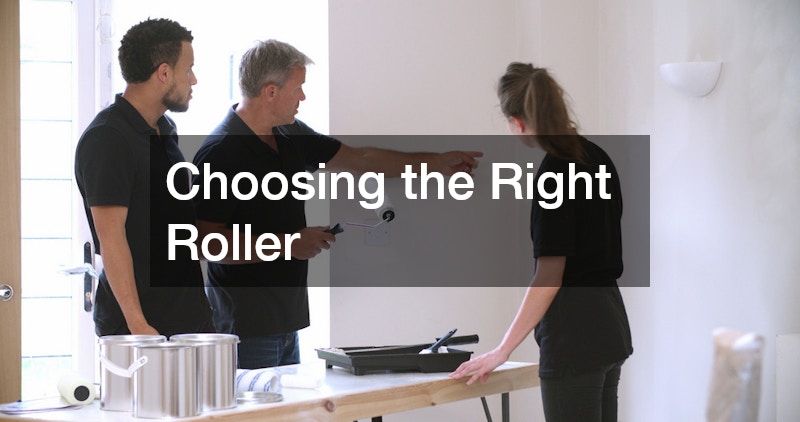
- Nap Length: Use a short nap (6–10mm) for smooth ceilings to prevent texture marks. Textured ceilings require a medium nap (12–18mm) to reach crevices.
- Roller Material: Microfiber rollers work best on smooth ceilings, while foam rollers are ideal for ceilings with no texture.
- Extension Pole: Reduces strain on shoulders and allows safe access to high ceilings. Opt for adjustable poles for comfort and flexibility.
Step-by-Step Rolling Technique
- Prepare the Roller: Pour paint into a roller tray and roll the roller back and forth to load evenly. Remove excess paint to prevent drips.
- Start in a Corner: Begin at one corner of the ceiling. Roll in a W or M pattern about 1–2 meters wide to distribute paint evenly.
- Maintain a Wet Edge: Work in sections and keep edges wet to avoid lap marks. Overlap each section slightly with the previous one for smooth blending.
- Roll in Straight Lines: Once the paint is distributed, roll over the section in long, straight strokes to create a uniform finish. Avoid excessive pressure, which can leave roller marks.
- Check for Drips: Frequently inspect the roller and ceiling for drips, especially around light fixtures and corners. Correct any drips immediately using the roller or a small brush.
- Apply Additional Coats: Allow the first coat to dry fully (usually 2–4 hours, depending on paint type and room ventilation) before applying a second coat for full coverage.
Tips for a Flawless Finish
- Work With Natural Light: Daylight helps spot uneven coverage or streaks.
- Keep a Consistent Technique: Maintain steady roller pressure and movement for uniformity.
- Use Quality Paint: Ceiling-specific paints with flat or low-sheen finishes hide imperfections better.
- Avoid Overworking: Rolling over partially dried paint can create lines and textures.
Common Mistakes to Avoid
- Overloading the Roller: Causes splatters and uneven coverage.
- Not Maintaining Wet Edges: Leads to visible lap marks.
- Ignoring Ceiling Texture: Adjust roller pressure according to surface type to ensure paint reaches all crevices.
- Skipping Primer: Painting over patched or stained areas without primer may result in uneven color and finish.
Australian DIY Context & Stats
Recent surveys show that 40% of Australian homeowners attempt ceiling painting themselves, but nearly half report issues with streaks or drips due to poor rolling technique (HIA 2024). Using proper roller tools, maintaining wet edges, and following step-by-step guidance reduces errors and ensures a professional-quality finish.
Key Takeaways
- Use the correct roller and extension pole for your ceiling type.
- Roll in sections, maintain wet edges, and avoid overloading.
- Check frequently for drips and correct immediately.
- Apply multiple coats for uniform coverage.
- Work with natural light to identify uneven areas.
Common Mistakes and How to Avoid Them
Even experienced DIYers can encounter problems when painting ceilings. Understanding common mistakes and knowing how to prevent them ensures a smooth, professional-looking finish.
Drips and Splatters
Why it Happens: Overloaded rollers or brushes, uneven pressure, or fast movement can cause paint to drip onto walls, floors, or furniture.
How to Avoid:
- Always roll off excess paint on the tray.
- Work in smaller sections to maintain control.
- Use drop cloths and painter’s tape to protect surfaces.
- Roll slowly and steadily, particularly near edges and light fixtures.
Visible Roller Marks and Streaks
Why it Happens: Dry edges, uneven pressure, or low-quality paint can leave streaks.
How to Avoid:
- Maintain a wet edge while rolling; don’t let one section dry before blending the next.
- Use high-quality ceiling paint designed for even coverage.
- Roll in consistent strokes and avoid pressing too hard
Uneven Color or Patchy Coverage
Why it Happens: Insufficient primer, skipping a second coat, or using the wrong nap roller.
How to Avoid:
- Always prime patched or stained areas.
- Apply at least two coats of ceiling paint.
- Match the roller nap to the ceiling texture.
- Blend each section carefully to avoid color variation.
Paint on Fixtures and Trim
Why it Happens: Poor preparation or lack of painter’s tape leads to accidental paint on lights, vents, or cornices.
How to Avoid:
- Cover light fixtures with plastic bags and secure with tape.
- Use painter’s tape along edges and remove it before the paint dries.
- Take extra care around corners and ceiling-wall junctions.
Fatigue and Strain
Why it Happens: Painting overhead is physically demanding, especially for large ceilings.
How to Avoid:
- Use an extension pole to reduce arm and shoulder strain.
- Take regular breaks every 30–45 minutes.
- Stretch before and after painting to prevent muscle fatigue.
- Consider enlisting a helper for larger rooms.
Common Australian DIY Pitfalls
According to HIA 2024, nearly 50% of DIY ceiling painters in Australia report issues with drips, streaks, or patchiness. Using proper tools, preparation, and technique significantly reduces these problems. Investing in quality brushes, rollers, and paint makes a noticeable difference in finish and ease of application.
Key Takeaways
- Drips and splatters: prevent with controlled rolling and protective covers.
- Roller marks: maintain wet edges and consistent pressure.
- Uneven coverage: prime and apply multiple coats.
- Paint on fixtures: tape and cover before painting.
- Fatigue: use extension poles, take breaks, and work in sections.
Drying, Applying a Second Coat, and Finishing Touches
After successfully rolling your first coat, the next steps are crucial to achieving a flawless ceiling finish. Proper drying, second coat application, and finishing touches ensure durability, even coverage, and a professional appearance.
Allowing Proper Drying Time
Why it Matters: Rushing the process can cause uneven texture, peeling, or streaks. Drying times vary depending on paint type, room temperature, humidity, and ceiling material.
Guidelines:
- Water-based paints: Typically require 2–4 hours before recoating.
- Oil-based paints: May need 6–8 hours or more.
- Environmental factors: High humidity or low temperatures may extend drying time.
Tip: Use fans or open windows to enhance airflow and speed up drying, but avoid strong drafts that may cause dust to settle on wet paint.
Preparing for the Second Coat
Before rolling the second coat:
- Inspect the first coat for thin areas, streaks, or missed spots.
- Lightly sand any rough patches with fine-grit sandpaper for a smooth surface.
- Ensure all edges are clean; touch up any areas where the paint may have missed the corners or edges.
LSI Tip: Smooth preparation between coats prevents patchiness and ensures the ceiling looks uniform.
Applying the Second Coat
Step-by-Step Guide:
- Pour fresh paint into a clean tray. Stir thoroughly.
- Cut in edges again if needed, especially if the first coat dried before you completed the corners.
- Use a roller with the same nap and technique as the first coat for consistency.
- Roll in sections, maintaining a wet edge to blend with the previously painted areas.
- Apply moderate pressure to ensure paint penetrates any minor texture in the ceiling.
Pro Tip: Avoid overloading the roller; it increases the risk of drips and uneven coverage.
Finishing Touches
Once the second coat is applied and fully dried:
- Remove painter’s tape carefully, pulling at a 45-degree angle to prevent peeling.
- Touch up small areas with a fine brush for a perfect finish.
- Inspect under natural light to identify any uneven patches or streaks.
Extra Tips for a Professional Finish:
- Consider using a ceiling paint with built-in primer for an extra smooth surface.
- Keep a small brush handy for intricate corners or near fixtures.
- Avoid walking underneath the ceiling until fully dry to prevent accidental smudges or footprints.
Long-Term Maintenance
- Dust the ceiling occasionally to maintain its appearance.
- Address any small cracks or stains promptly to avoid larger repairs in the future.
- Choose high-quality paint for durability and easier cleaning, particularly in kitchens and bathrooms.
Key Takeaways
- Allow adequate drying time between coats.
- Inspect and lightly sand the first coat for smoothness.
- Maintain consistent roller technique for even coverage.
- Carefully remove tape and touch up corners for a professional finish.
- Use quality paint to ensure long-lasting results.
Tips for Long-Lasting Results and Professional-Level Finishes
Achieving a perfectly painted ceiling is just the first step—maintaining its appearance and durability over time ensures your hard work pays off. Here are essential tips for long-lasting results and a professional finish.
Choose Quality Paint
Investing in high-quality ceiling paint makes a significant difference. Look for:
- Flat or low-sheen finishes to hide imperfections.
- Washable formulas for easy cleaning, especially in kitchens and bathrooms.
- Paint-and-primer combinations to reduce the number of coats required.
High-quality paint resists peeling, cracking, and discoloration, helping your ceiling look fresh for years.
Maintain Proper Room Conditions
Ceiling paint is sensitive to environmental conditions:
- Humidity control: Use exhaust fans or dehumidifiers in kitchens and bathrooms to prevent mold or mildew.
- Temperature: Avoid painting during extreme temperatures; ideal conditions are 18–25°C.
- Ventilation: Proper airflow helps paint cure evenly and reduces lingering fumes.
Regular Inspection and Touch-Ups
Check your ceiling periodically for small cracks, stains, or water marks:
- Fill minor cracks with lightweight filler and repaint touched areas to prevent further damage.
- Address water stains immediately using a stain-blocking primer before repainting.
- Keep leftover paint for future touch-ups to maintain uniform color.
Protect Your Ceiling
- Avoid hanging heavy fixtures directly on freshly painted surfaces.
- Be cautious when using ladders or furniture near the ceiling to prevent scuffs.
- Clean gently with a soft, damp cloth if necessary, avoiding harsh chemicals.
Professional-Level Techniques
- Maintain a wet edge: Always roll into the previously painted area to prevent lap marks.
- Feather edges: Blend cut-in areas with the rolled surface to eliminate visible lines.
- Use proper tools: High-quality rollers, angled brushes, and extension poles enhance efficiency and reduce errors.
Key Takeaways
- Invest in quality paint and primer for durability and smoother coverage.
- Control humidity and temperature for proper curing.
- Perform regular inspections and touch-ups to prolong the ceiling’s appearance.
- Protect surfaces and furniture to prevent accidental damage.
- Follow professional techniques like maintaining a wet edge and feathering edges.
Conclusion – Achieving a Professional Ceiling Finish
Painting a ceiling with a roller may seem challenging, but with the right preparation, tools, and techniques, it can deliver professional-level results even for first-time DIYers. Proper planning—clearing the room, protecting surfaces, repairing imperfections, and priming—is the foundation of a smooth and lasting finish.
Cutting in edges and corners carefully before rolling ensures crisp lines and prevents unsightly overlaps, while rolling the main surface with the correct nap roller provides even coverage. Remember to maintain a wet edge, work in manageable sections, and take breaks to avoid fatigue, especially during overhead work.
Long-term success also depends on choosing quality paint and primer, controlling humidity and temperature, and performing occasional inspections and touch-ups. A well-painted ceiling not only improves the room’s aesthetics but can also boost property value and create a more enjoyable living space.
For further guidance and expert tips, resources like Bunnings – DIY Painting Tips provide comprehensive Australian-specific advice on materials, tools, and techniques. Additionally, international guides such as The Spruce – How to Paint a Ceiling Like a Pro offer step-by-step methods to refine your painting skills and avoid common mistakes.
By following the step-by-step instructions in this guide, protecting your space, and applying professional techniques, your ceiling will not only look flawless but also maintain its appearance for years to come. With patience, quality materials, and attention to detail, achieving a smooth, drip-free, and evenly painted ceiling is entirely possible for DIY enthusiasts.